Concept buildUmberlow is a fictional garden room studio, designed by Midlands Code Lab ·Back to MCL
Umberlow
0121 496 0742 Book a free site visit
A desk and laptop set against a full-height window, with white-framed sash windows on the building opposite.

Home  ·  Garden rooms  ·  Home office

Garden offices · Coventry to Stratford-upon-Avon

A garden office in Warwickshire, in February.

June is easy. The test is half past seven on a wet Tuesday morning in the middle of winter, and whether you'd still walk down to it.

Book a free site visit Fixed quote after the visit.

CoventrySolihullWarwickLeamington SpaStratford-upon-Avon

Scroll

Why people ring about this one

The kitchen table stopped being funny in about 2021. So did working out of the spare room with the ironing board in it.

Most people who ring us about a garden office have already tried the two free options and found out why they're free. The bedroom you can't leave a project spread out in. The table you have to clear by six. The call you took in a room with a washing machine in it.

What they're buying is a door that shuts, twenty metres from the house, and the fact that you have to put shoes on to get to it.

A wheelbarrow standing on freshly dug ground on a building site.

Power

The bit that gets done badly

An extension lead out of the kitchen window is how a lot of garden buildings get powered and it's how a lot of them catch fire. A garden office needs its own supply: a run off the house consumer unit on its own way, in armoured cable, in a duct, buried under warning tape so the next person with a fork finds the tape first.

That's notifiable work. A qualified electrician does it and gives you a certificate at the end, and you keep the certificate, because the day you sell the house somebody's solicitor will ask for it.

It also has to go in before the paving does, which is why the trench is a landscaping question as much as an electrical one.

Who digs the trench

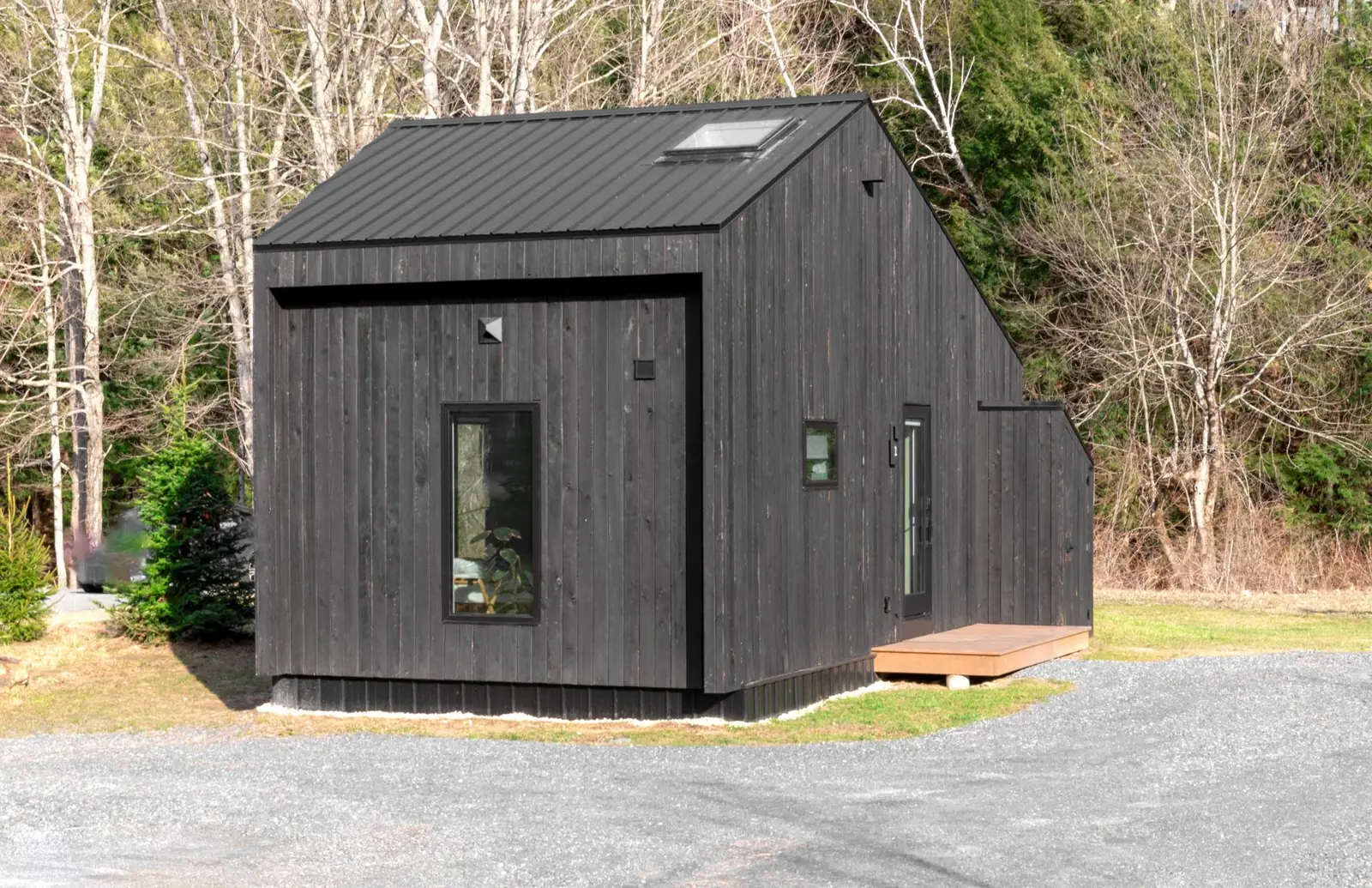
A black timber-clad garden building with a pitched roof, standing at the edge of a garden.

Aspect and glare

Which way it looks decides how much you use it

People ask for the doors to face the house. Then they sit with their back to the garden all day and put a blind up by August, because a south-facing wall of glass behind a monitor is unusable from about two in the afternoon.

North light is flat, even and kind to a screen, and it's the light every painter and photographer has fought to get. So the desk usually wants to face one way and the sofa the other, and where the doors go follows from that rather than the other way round.

A roof overhang past the glass does a lot of this for free. It cuts the high summer sun and lets the low winter sun straight in, which is exactly the wrong way round from what you'd guess and exactly what you want.

Rain running down a window pane, with blurred trees and green behind it.

Insulation and winter

A summerhouse and an office are built differently

They can look identical from the patio. The difference is in the floor, the walls and the roof, and you only find out which one you bought in the second week of January.

Ask what's in the walls. Ask what's under the floor, because a cold floor is what actually stops people using these things, not a cold room. Ask what the glazing is and whether there's a thermal break in the frames. And ask what it costs to hold at a working temperature on a bad day, because the honest answer to that is a small electric panel heater and about twenty minutes.

Condensation, since nobody else mentions it

Warm damp air, cold glass, and a building you shut up at six on a Friday. Come back Monday and there's water on the sill. It's fixed with trickle vents, a bit of background heat and not drying washing in there, and it's much easier to design out at the drawing stage than to argue about afterwards.

Broadband, and where the desk goes

The two things people get wrong

01

Wi-Fi does not go through a brick wall and a lawn

It goes through one of them, badly. A router in the hall and an office at the bottom of the garden is where most of these end up, and the video call drops at the worst possible moment for the rest of the year.

02

Put a data cable in while the trench is open

Its own duct, alongside the power, never in the same one. It costs almost nothing while there's a hole in the lawn and it's a horrible job once the paving's down. Then the office has a wired connection and its own access point, and the problem never comes up again.

03

A desk against glass needs depth

Put a shallow desk against a glazed wall and the monitor sits too close, which is why so many garden offices end up with the desk turned sideways within a month. Work out where it's going before the doors are positioned, not after.

04

Keep one solid wall

Glass on three sides photographs beautifully and leaves you nowhere to put shelves, a whiteboard, a filing drawer or a printer. One proper wall you can fix into is worth more than the extra view.

05

Sockets where the desk is

Not where the electrician found it convenient. Say where the desk goes on the visit and the sockets, the data point and the switch all end up somewhere sensible instead of behind a bookcase.

A pale desk and chair set against a tall window in a room with plain walls.
A desk and laptop against a full-height window, seen from across the room.
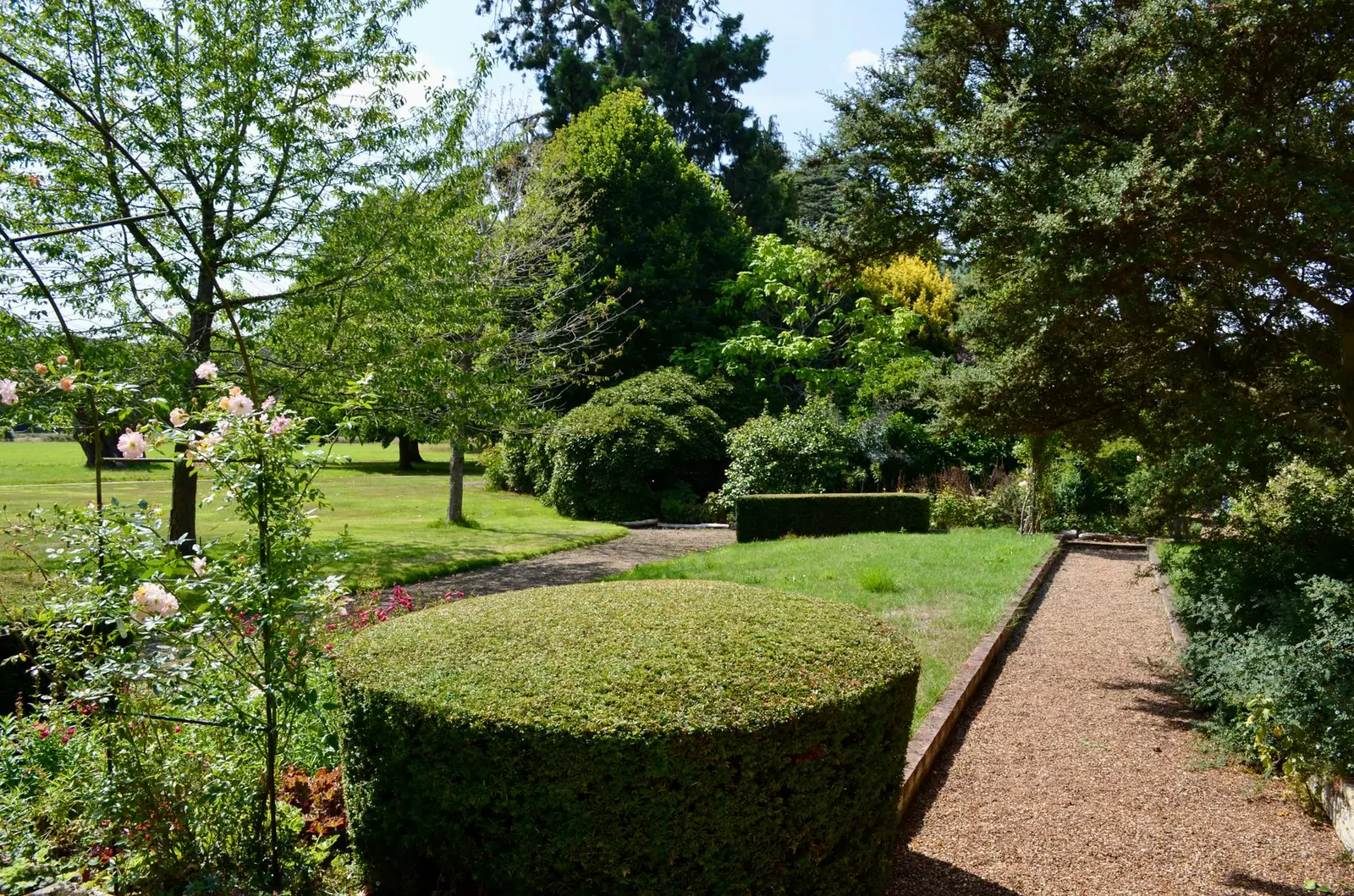
Clipped box hedging beside a gravel path in an English garden.
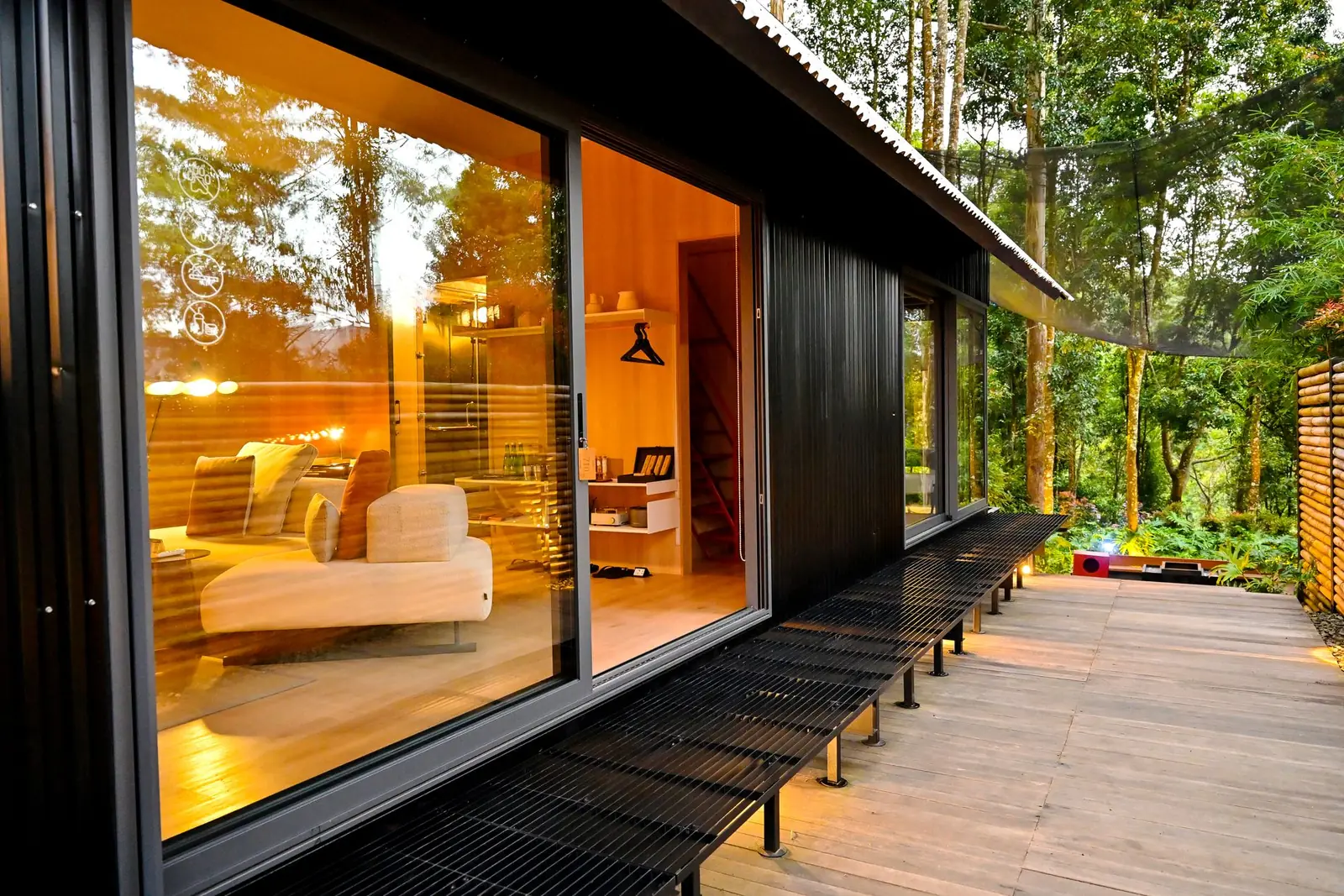
A dark timber-clad garden building at dusk, its full-height glass doors open and warm light spilling onto a timber deck.

The end of the day

Twenty metres is the whole point

The reason a garden office works better than a spare bedroom has almost nothing to do with the room. It's the walk. You shut a door, you cross a bit of garden in the dark, and by the time you're at the back door you've stopped working.

Which is why the path, the lighting and where the door lands matter as much as the insulation does. A lit route back to the house in January is not a nice-to-have on a building you're supposed to use every day.

The garden round it

The nearest cousin

A studio that has to be quiet

The closest job to a garden office is a garden studio. We built one for a client who records music in it, and it's the same problem set: a building at the bottom of a garden that has to be quiet, warm and properly wired, used by somebody who works in it rather than sits in it twice a summer.

Heavier walls, a floor that doesn't drum, a door with a proper seal, and power run in before the base goes down. Everything a good office needs, turned up a notch.

The walk back, after dark

Ask to stand in one

Photos of a garden office all look the same. What sells one is how quiet it goes when the door shuts, and how warm the floor is in February.

So ask on the visit. Where a client's happy for us to, we'll take you to a finished building near you and let you sit in it.

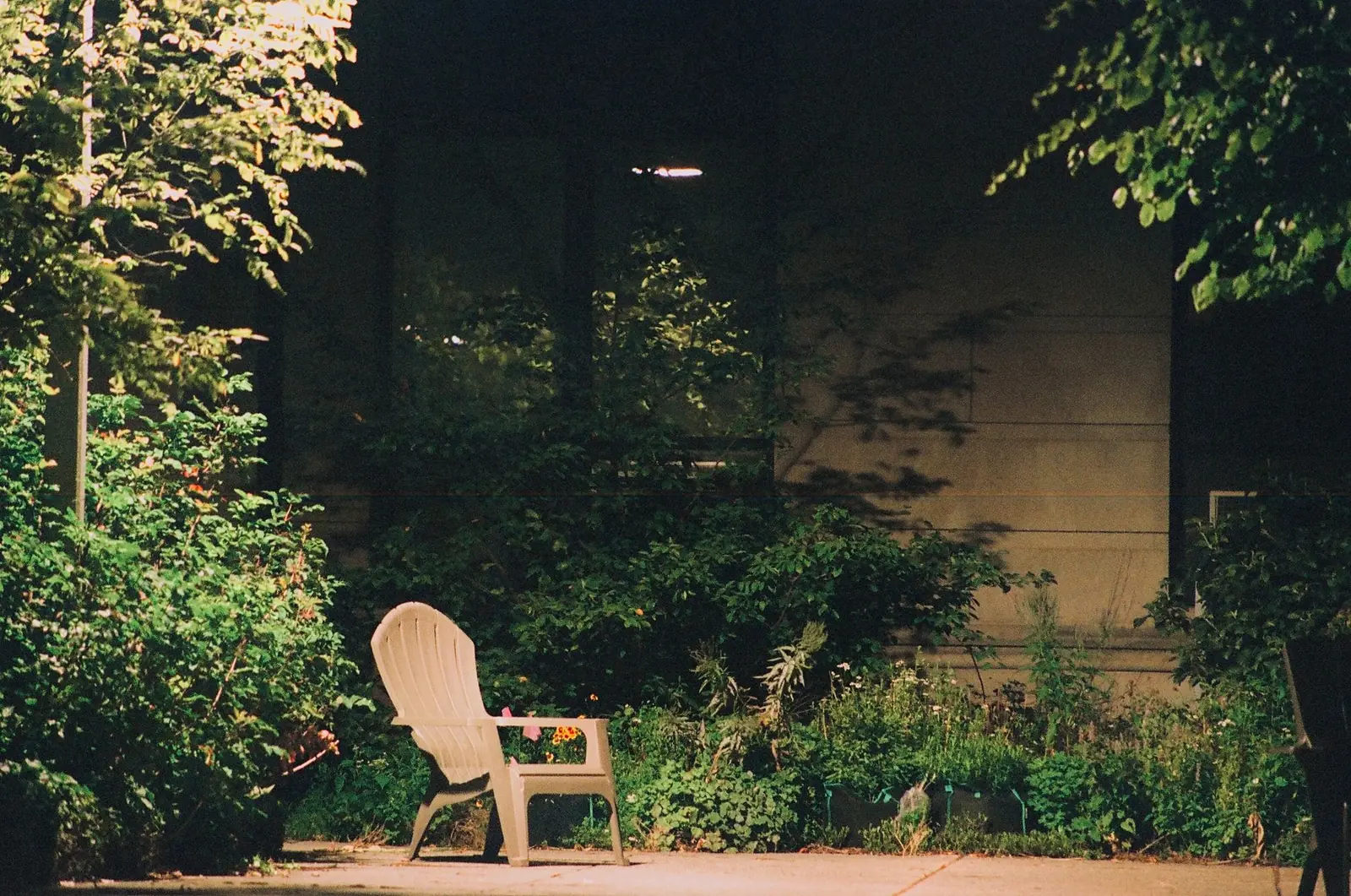
A quiet garden at dusk, a single chair on a path and a wall lit from below.

Before you ring

Five people ask about garden offices

Including the two where the honest answer is go and ask somebody else.

Do I need planning permission for a garden office?

Usually not, and it depends on height, how close it sits to a boundary, how much of the garden it covers, and whether the house is listed or in a conservation area. Working in it can change the answer, particularly if customers are going to come to it or a van's going to be parked up for it. We check before we quote and tell you on the visit rather than three weeks later.

Can I put it through the business?

Ask your accountant. We build them, we don't advise on tax, and the answer moves depending on how you're set up and who owns the house. Anyone in this trade who gives you a confident answer to that question over the phone is telling you something about themselves.

Is it actually warm enough to work in through winter?

A properly built and insulated one is, with a small heater and about twenty minutes' notice. A summerhouse with a bit of foil in the walls isn't, whatever the brochure says. This is the single biggest difference between the buildings on this site, and it's worth asking what's in the walls before you compare two prices.

Will the broadband reach?

Not reliably over Wi-Fi, no. Run a data cable in its own duct while the trench for the power is open and it stops being a question. It's the cheapest thing on the whole job and the one people most regret skipping.

My garden's tiny. Is this even worth it?

Sometimes it isn't, and we'll say so on the visit. If the only spot for it kills the last usable bit of lawn, or the access is so tight that getting a base in costs more than the building, a loft conversion is the better answer and you should go and get one quoted. We'd rather tell you that standing in your garden than after you've paid a deposit.


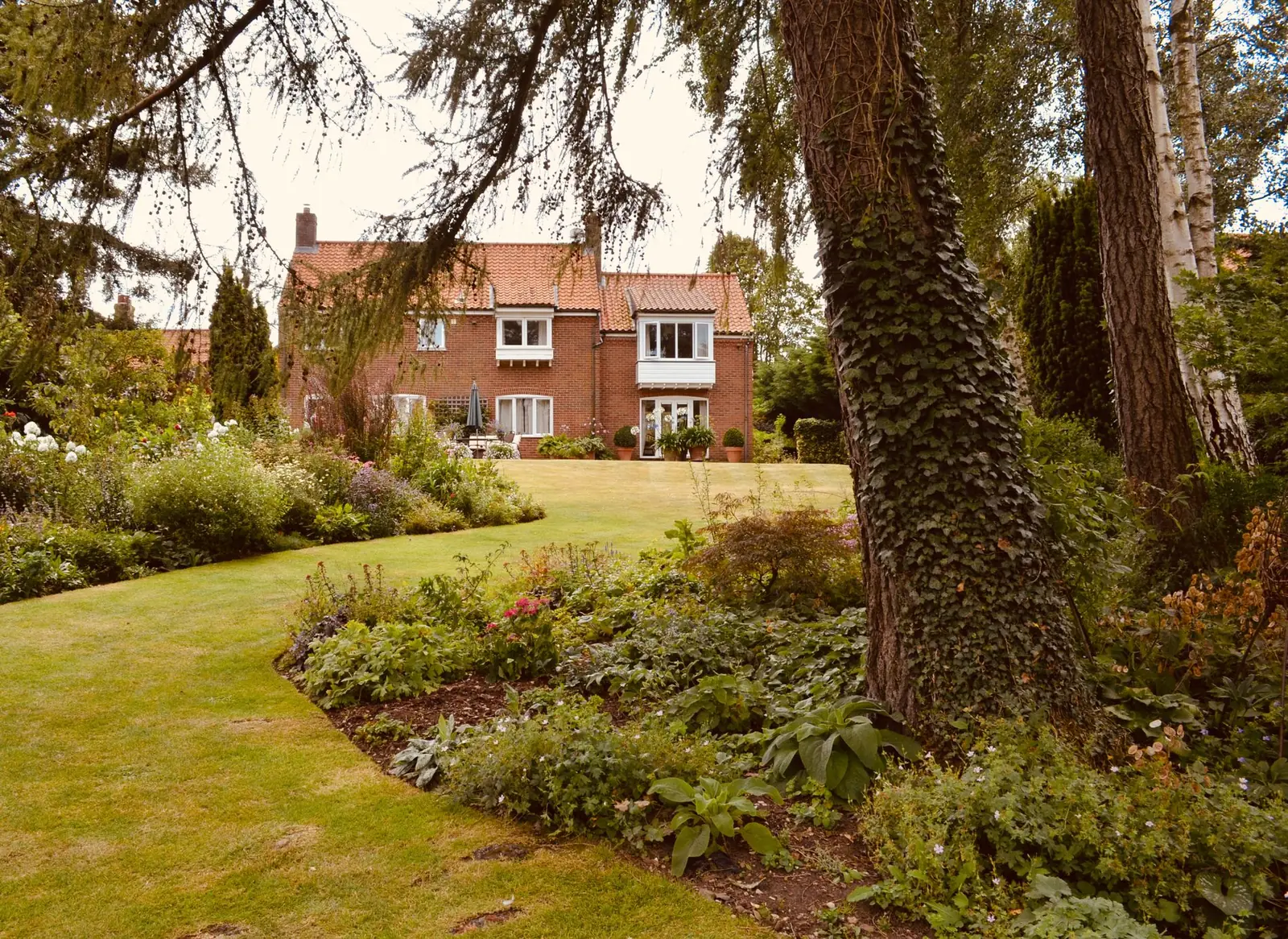
A red-brick house behind a lawn and deep planted borders, with a mature conifer in the foreground.

Next step

Show us where you'd put it

Somebody comes out, stands where the desk would go, works out which way it should face and where the power has to come from, and tells you what's realistic on your plot. Fixed quote after that, in writing. It costs nothing.