Concept buildUmberlow is a fictional garden room studio, designed by Midlands Code Lab ·Back to MCL
Umberlow
0121 496 0742 Book a free site visit
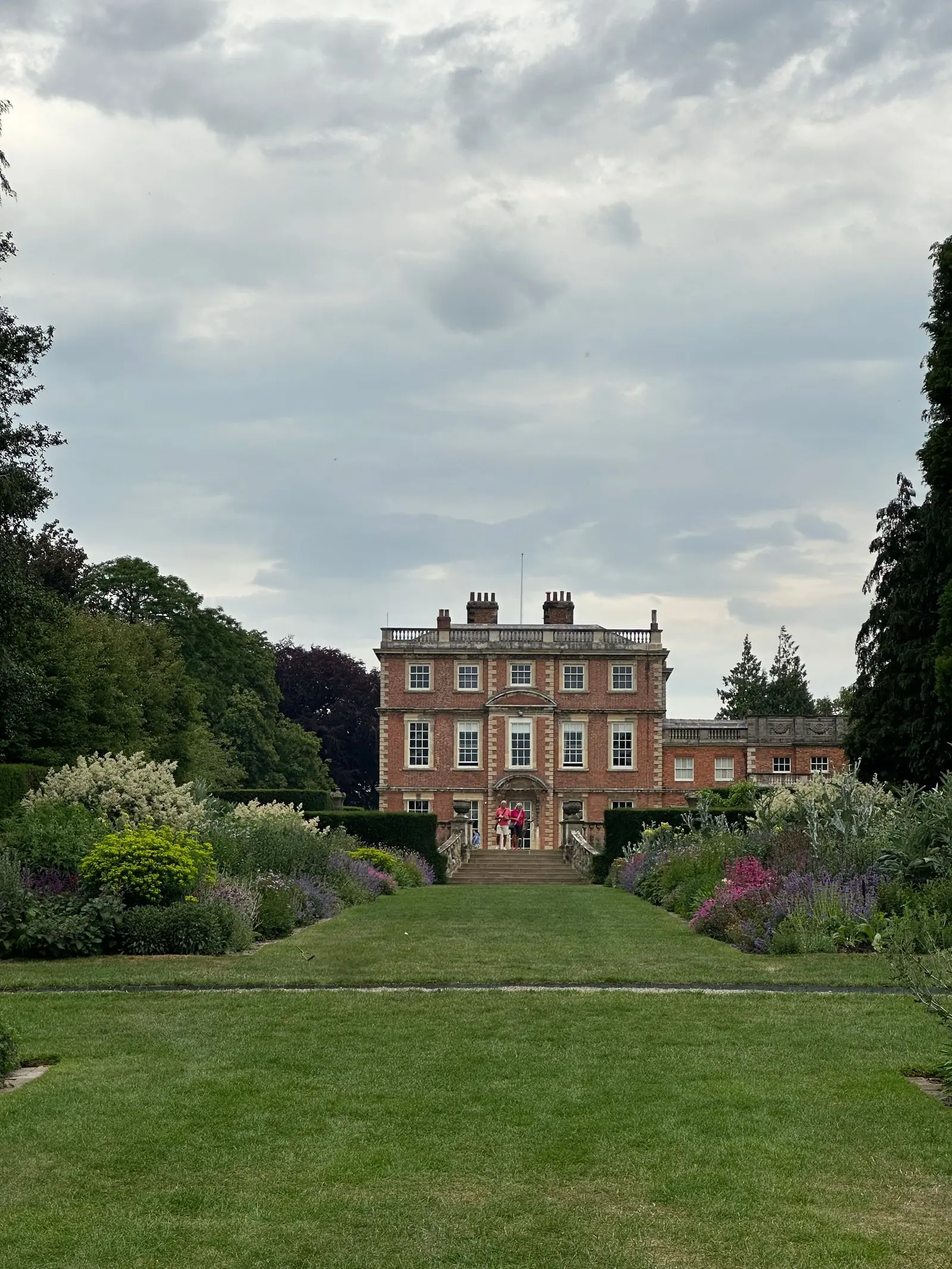
A red-brick Georgian house behind deep planted borders and a striped lawn, under a grey English sky.

Home  ·  Garden design and landscaping

Garden design · Warwickshire & the West Midlands

We draw the garden before we order the building.

Levels, drainage, paving, steps, planting and lighting, by the people who design gardens for a living. On the same quote as the building, from the same company, answering for the lot.

Book a free site visit Fixed quote after the visit.

CoventrySolihullWarwickLeamington SpaStratford-upon-Avon

Scroll

Where these jobs go wrong

The building has to be dead level. Your garden almost certainly isn't.

Something has to give, and it's usually the garden. A step appears where there wasn't one. A retaining wall turns up on the invoice. The lawn ends up sloping into the back of the building and the water sits there all winter.

Solve it on paper and the level change becomes a step you'd have wanted anyway. Solve it with a digger on the Tuesday and it becomes a sleeper wall nobody drew, nobody priced and nobody likes.

The buildings themselves

Hands drawing with a pencil on a plan, with material samples and photographs spread across the table.

Step one

What actually gets drawn

Levels taken off the plot. Falls worked out so water leaves rather than gathers. The route from the back door to the building on a wet night, and the paving set out so it doesn't finish on a two-inch cut against the wall.

Planting drawn at the size it'll be in three years, not the size it comes out of the pot. Which is why some new gardens look thin for a season and right for the next twenty, and others look full on handover and are a jungle by the second August.

Start with a site visit

A wheelbarrow standing on freshly dug ground on a building site.

Step two

The unglamorous half

A base has to be dug and concreted, and a machine has to get to it, down the side of the house or across the lawn. Access is the question that catches people out and it's far easier to talk about standing in the garden than over the phone.

Then there's what comes out of the hole. Spoil goes on a grab lorry rather than in a heap behind the shed. Where the water goes gets decided before the paving, not after the first storm. And if there's a mature tree anywhere near, we check whether it's got an order on it before anyone puts a spade in.

Step three

What the garden's made of

01

Paving

Set out from the building rather than from the house, so the cuts land where nobody looks. Laid on a full bed, pointed properly, with a fall on it. The difference between good and bad paving shows up in about eighteen months, when one of them starts rocking.

02

Steps and levels

Every step the same height, because a garden step that's forty millimetres out is a garden step somebody trips on in the dark. Where a change of level is unavoidable it gets designed as a feature rather than apologised for.

03

Beds and planting

Soil improved before anything goes in it, edges cut so the lawn can be mown to them, and structure that holds the garden together in February when nothing's flowering. That last one is the test of whether a garden was designed or decorated.

04

Lawn

Turf laid on ground that's been prepared, not rolled out over the mess the digger left. A lawn is the cheapest thing in the garden and the first thing people notice, which is a bad combination if it goes in badly.

05

Lighting

Cabled in while the ground is open. A lit path and a bit of light on the building means the garden is still a place after four o'clock in November, which is when a garden room stops being a summer purchase.

06

Drainage

Roof water off the building, surface water off the paving, and both going somewhere on purpose. It's the least interesting thing on this list and the one that ruins a garden when it's skipped.

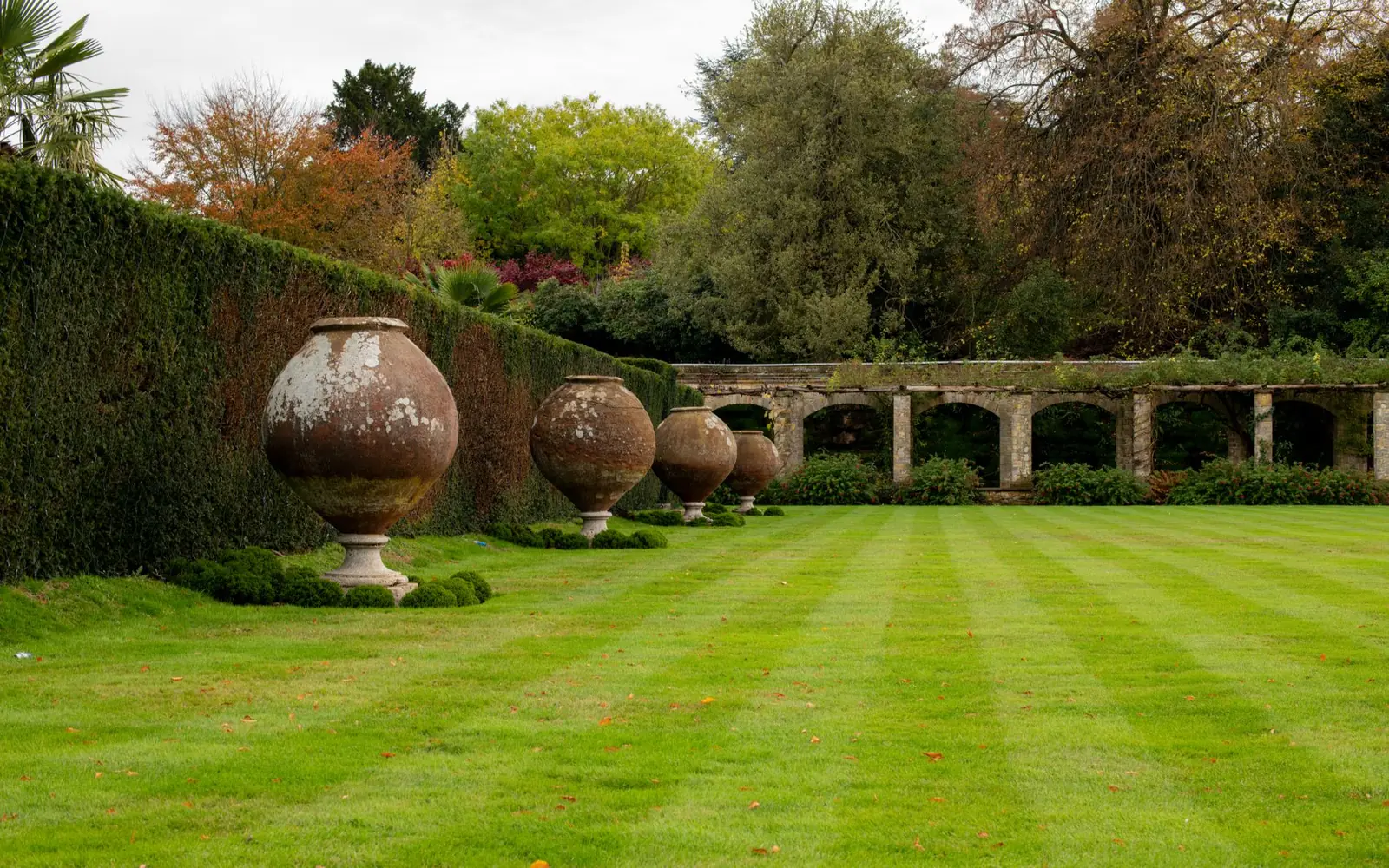
A striped lawn running to a stone arcade wall, with large planted urns along one edge.
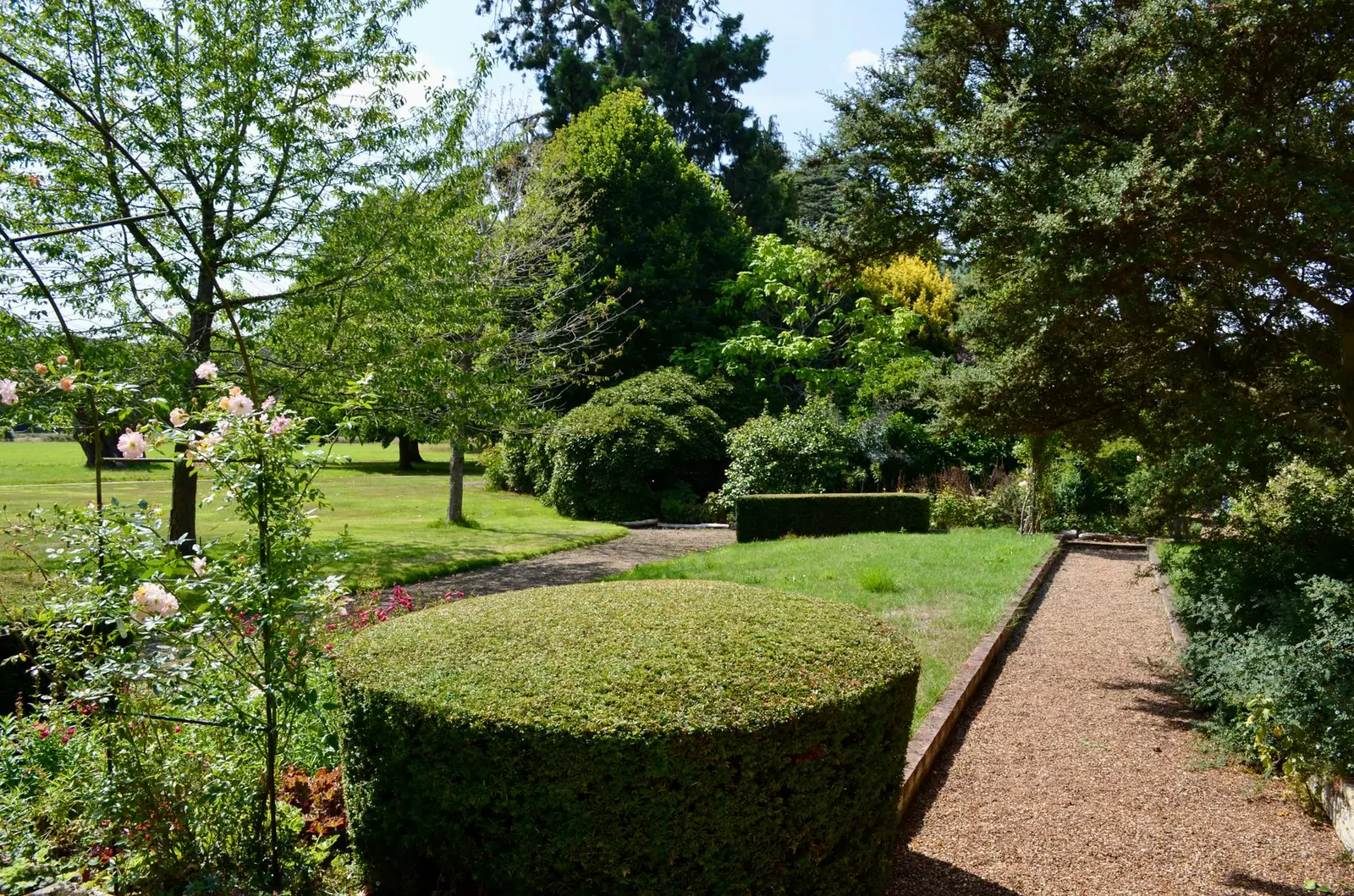
Clipped box hedging beside a gravel path in an English garden.
Interlocking grey block paving laid in a running bond, seen from directly above.
A timber deck at night with low seating, a lit fire table and planting along the boundary.

After four o'clock

Half the year is dark

A garden room with an unlit garden round it is a building you look at from the kitchen and don't walk to. Light the path, wash a bit of light up the planting, put something warm on the face of the building, and the whole thing is usable on a Tuesday in November.

It gets cabled while the trench for the power is already open, which is the cheapest it will ever be.

Why the walk back matters

Garden designers first

The garden came first

Umberlow started as a garden design and landscaping studio working across Coventry, Solihull, Warwick, Leamington Spa and Stratford-upon-Avon, and it still is one.

What that means for a garden room is that the building is one line on a job that also has levels, drainage, paving, planting and lighting on it, and one company answers for all of it.

So there's nobody to blame. Which concentrates the mind.

See it lit after dark

A gardener in workwear trimming a hedge with long-handled shears.
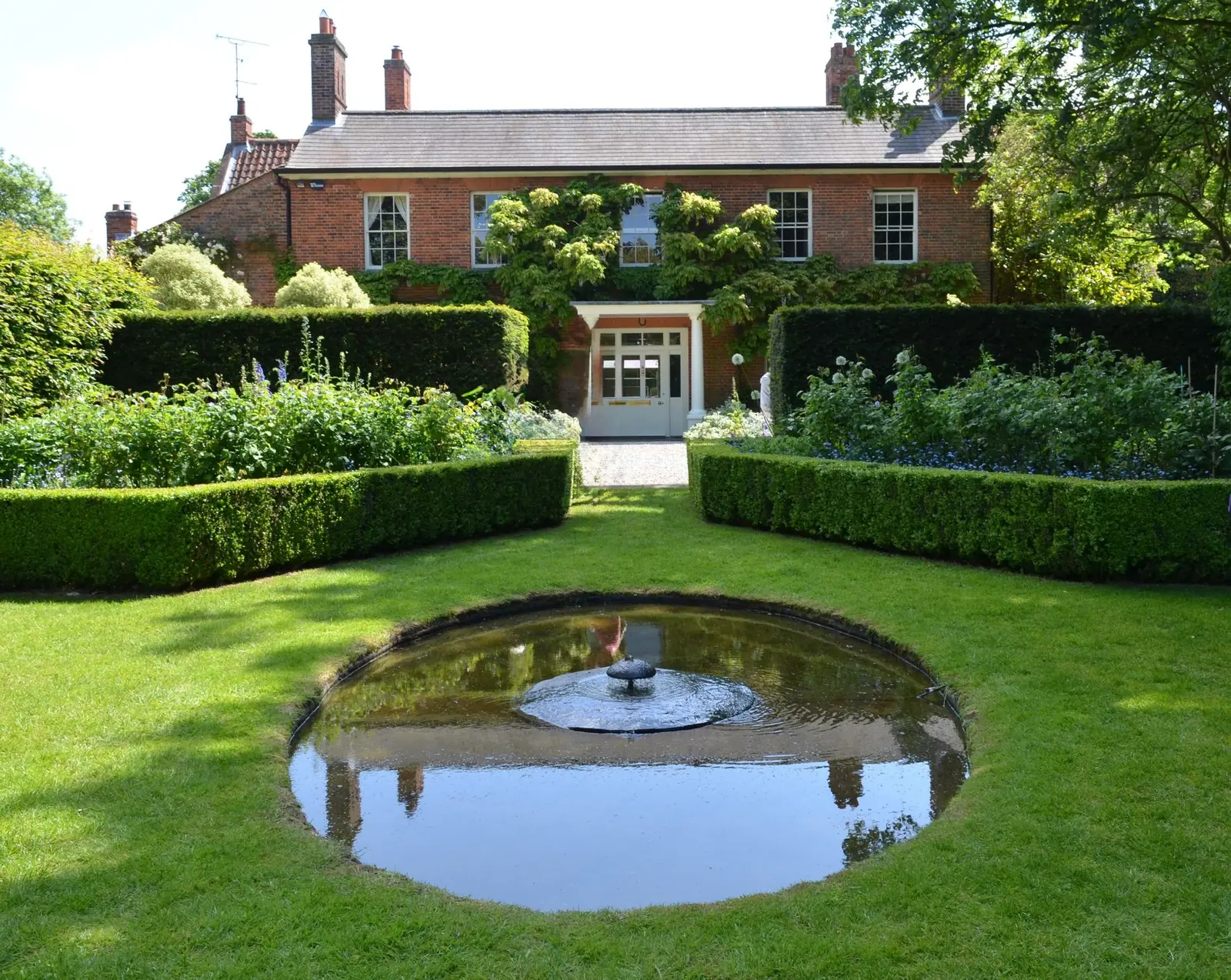
A formal English garden with clipped hedges, a circular reflecting pool and a red-brick house behind.
Two people touching glasses together over a table outdoors, with flowers behind them.
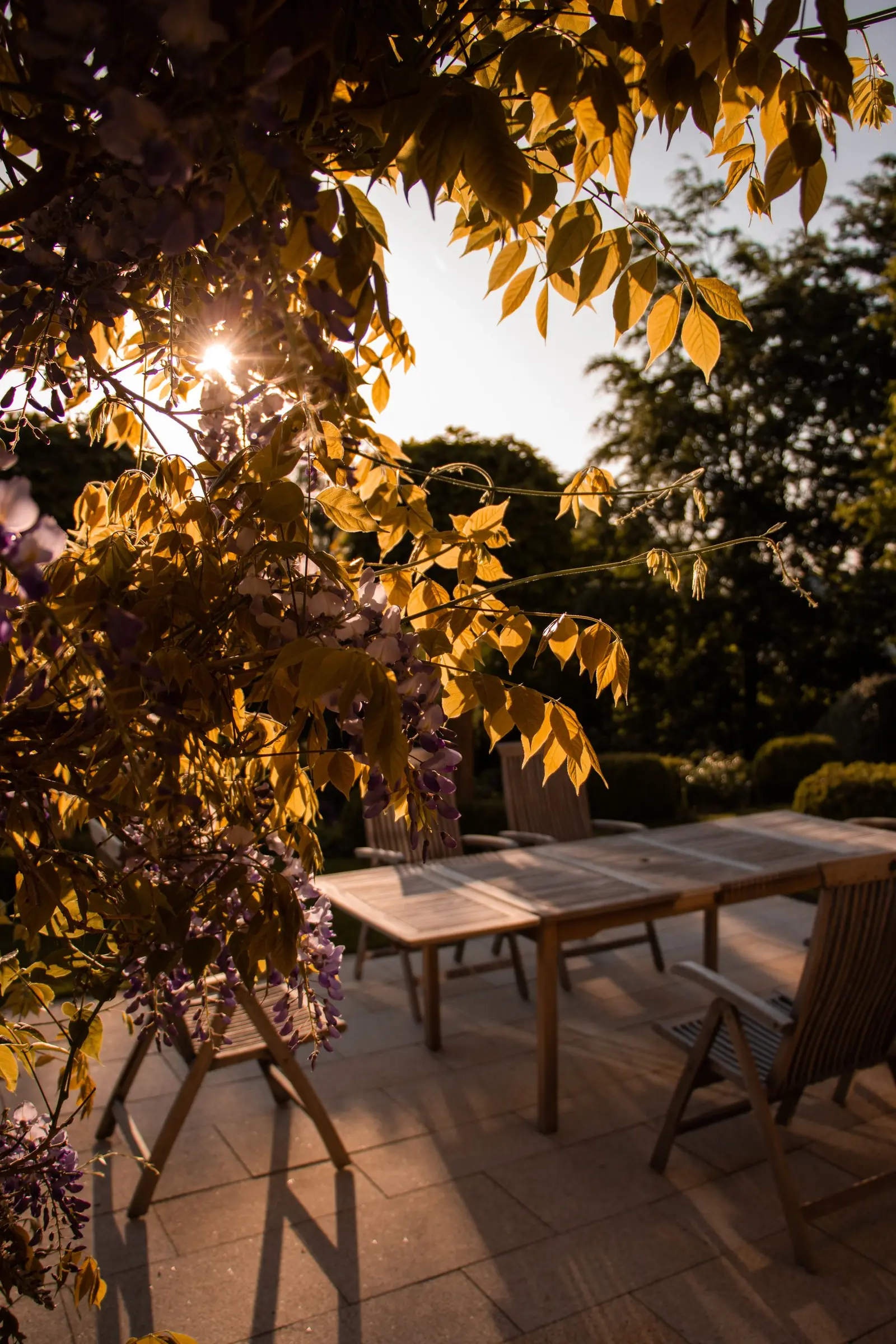
A long table under a tree in a garden at dusk, lit by hanging bulbs.

Before you ring

The landscaping questions

Starting with the one where the answer is that you don't have to have any of it.

Do I have to have the landscaping done?

No. If the base is in, level and the right size, and all you want is the building supplied and put up, that's a shorter conversation and a smaller quote. The design earns its money when the ground is a mess, when there are levels to sort out, or when this thing is going to be the view from the kitchen window every single day.

We've already got a landscaper. Will you work with them?

Yes, and it's worth getting them on the site visit so the base, the trench and the paving levels are agreed in one conversation rather than three. Where it goes wrong is when the building turns up before the ground's been set out for it, and that's avoidable with one phone call.

How long is my garden a building site?

Long enough to be annoying. Groundwork is the messy stretch, the building itself goes up quickly, and the landscaping is the bit that puts the garden back. You get the sequence and the dates in writing with the quote so you know which week the digger's there and which week you get your garden back.

What happens to everything that comes out of the hole?

It goes. Spoil on a grab lorry, waste away, and the garden swept before we leave. What you should ask any landscaper is where the muck away is on their quote, because when it's missing it tends to reappear later.

Who looks after it afterwards?

A new garden needs somebody paying attention for its first two summers while the planting establishes. You can do that yourself, or our maintenance crew can, and either is fine. What doesn't work is a newly planted border and a hot June with nobody watering it.

A family standing together in a garden on a summer evening, houses and trees behind them.

Next step

One visit, one quote

Somebody walks the garden with you, takes the levels, works out where a machine can get to and what the ground is going to need. Then one fixed quote in writing with the building, the groundwork and the landscaping priced separately, so you can see exactly what each part costs.